
Sabbath
As an Act of Resistance. . . and so much more

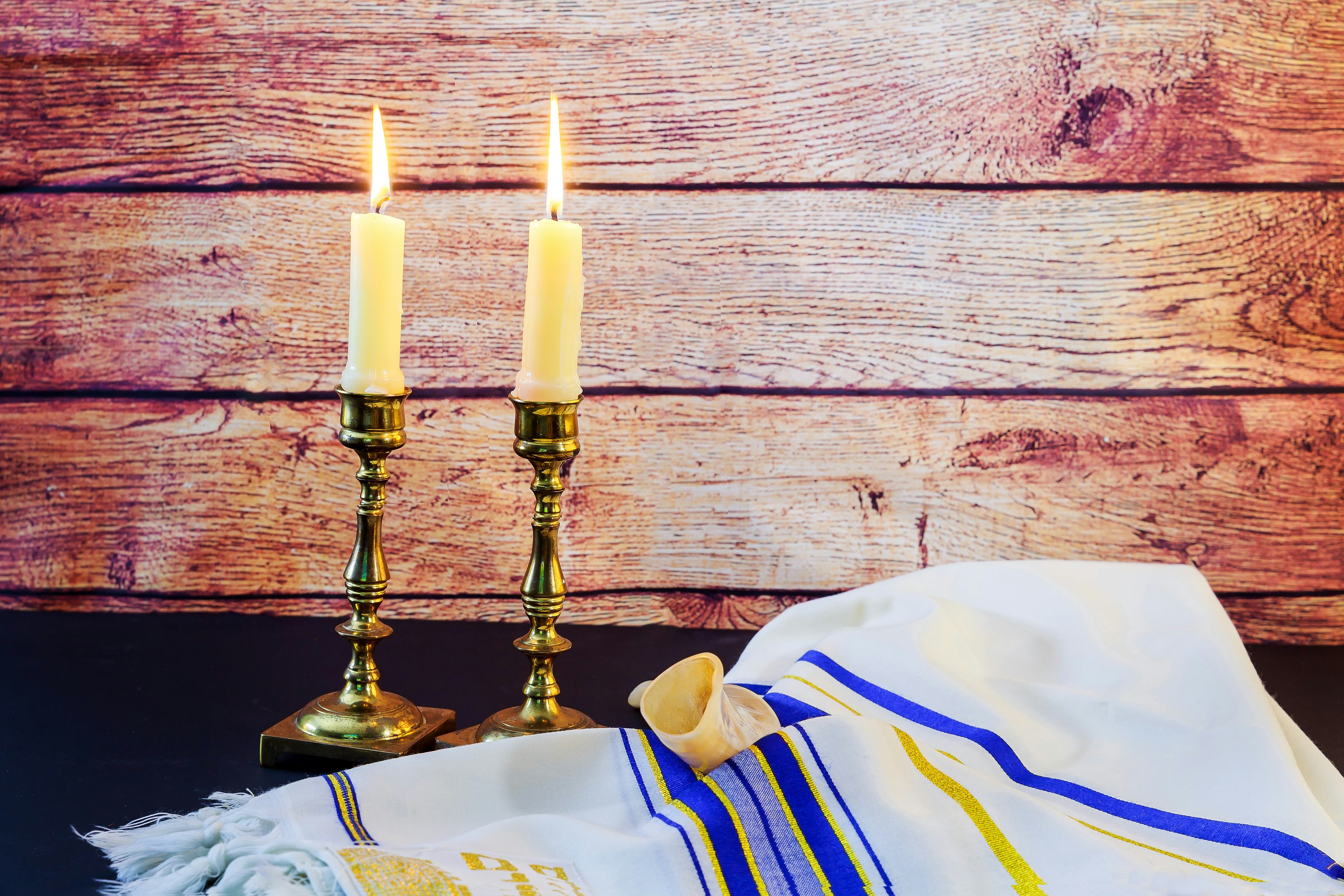
Not a new thought this one. But nonetheless at this time it seems important.
I’m wondering if you too are being bombarded with calls to action, suggestions for how to stand up for the values you embrace, pleas for money, for phone calls, letters, postcards, marches, demonstrations, and occasionally for prayers. The question is what are you doing?
This is not a time for laggards. Not a time to bury your head and pretend that this isn’t happening. Not a time for taking the view that this too shall pass or blow over, or. . . perhaps just melt away. In fact, we are told the longer we wait, the more frightening the consequences—and in truth, if you pay attention to the news, it seems like every minute or so, some new action with destructive consequence has been taken.
And I am not arguing with the importance of showing up and taking action. And, one of the actions that may undergird our lives in these times is the simple act of resting on the day of rest. Honoring the Sabbath. An old idea although not one that is upheld in any way by our culture—where work, work, work is the theme. And even if I’m not gainfully (earning a salary) employed at least I should be doing doing doing something worthwhile. Ours is a society devoted to the notion that we are in charge and can make it happen. (This is being lived out in action after action to dismantle our federal government).
“On the seventh day God finished his work that he had done, and he rested on the seventh day from all his work that he had done. So God blessed the seventh day and made it holy, because on it God rested from all his work that he had done in creation.” (Gen 2:2-3)
In the Genesis account, creation is declared good by God, even very good. But the seventh day isn’t just declared good, God makes the day holy because God rested. The creation story focuses mostly on the material—lights, waters, creatures, sea monsters even, vegetation, humans—all created; but the seventh day—time—is declared holy. The holiness of time to rest—built into the rhythm of creation.
Oh, there was a time in this country at least in certain parts, when laws enforced interpretations of the Sabbath by the closing of stores, and prohibition of liquor sales, and so forth. But those days are long gone—today we live in a world of 24-hour a day commercial availability online and in person. People can play their role as consumers non-stop. And, of course, people are working in those stores non-stop.
Walter Brueggemann has written a book on Sabbath keeping and on the ways in which it is revolutionary.(1) And Tricia Hersey, founder of the Nap Ministry, has written several books on Rest as Resistance, one of them subtitled “Free yourself from grind culture and reclaim your life.” She considers sleep deprivation to be a racial and social justice issue. (2) To stop working in a society that is so much about work, and human control and achievement is an act of rebellion.
A few days ago I read Diana Butler Bass’ reflection on Ash Wednesday. (3) She begins with a description of her exhaustion as she enters the season of Lent, praying for deliverance, praying for God’s intervention, wondering just where is God in this mess? Then, she reminds us of Isaiah’s call to work for justice as Lenten practice. Vigilance for justice and acts of generosity day in and day out. “Build, repair, restore” the work we are called to do. No wailing and weeping and gnashing of teeth—no praying to God for deliverance from the pain and atrocities of these days. Get up and get to work: let these be your penitent practices. (Isaiah 58:1-12)
Isaiah’s call is at the very heart of our understanding of who we are called to be. “Is not this the fast I choose: to loose the bonds of injustice, to undo the thongs of the yoke, to let the oppressed go free, and to break every yoke?” And, one thing that has become clear in these days of tumult is that our calling as followers of Christ is very much to take action for justice. As a white woman, one of the privileges I have lived with all these years is that of opting in or out of such work. From my place of comfort I have sometimes joined in the struggle and other times I have lived as though there were not struggle. I repent and am called to a life of repentance on this score alone. The Rev. Raphael Warnock preached a wonderful sermon not long ago on Imago DEI—our being made in the image of God—and how DEI as in diversity, equity and inclusion are indeed integral to God and the movement of the spirit of God in creation. (4) Isaiah’s words, and Diana’s too, underscore this truth. These are times when opting out of action is not a faithful choice for me.
I suggest though that part of opting in—is our opting out of our very American devotion to continuous-never-enough work, effort, the personally-making-it-happen lifestyle. Let us rest on the day of rest. Let’s consecrate by choice the Sabbath day. To do so is NOT just to pause and recover so that we can work harder the other six days of the week. Oh, no!
It is to entrust ourselves to God—to God’s presence—to God’s spirit at work even in this mess. It is to stop, and in so doing affirm that the world will go on without my mighty efforts. God is present, enabling, calling, beckoning, alluring us toward new life. To me that’s at the heart of Sabbath-keeping. Trusting—and trust is in short supply these days. Such a trusting is an act of rebellion—a renunciation of the ways of the world that proclaim we can do this, we’re the ones in charge, we make it happen. It’s all about me! No need for God, really.
To take a day of rest, and to have it become part of the rhythm of our days is to acknowledge the divine, the movement of the divine in life. To take a day to opt out of the frenzy of business as usual—however that might look to you—fasting from the news? From tech? from shopping? from organizing? From driving? . . . Taking a walk or a hike in nature? Sitting in the garden or park. Spending time with family and friends? Re-connecting with old friends? Spending time with new friends? Napping? Giving thanks? Making love? Enjoying silence? Beauty? Joy? Laughter? Being? Just being? . . .
There is a spaciousness to Sabbath. And spaciousness is something we need more of. The barrage of actions, the onslaught of misinformation, the reality of the pain, the loss, the grief, the constancy of threat—all of this seems to take up all the oxygen, all the room. Yet the divine moves among us and within us, and her call is to new life, to spaciousness, to relationship and love. Taking a day to intentionally enter that space is a gift—a treasure really.(5)
To some of us these days seem filled with strange disruption and discomfort—to others these are days when the realities of oppression that has so long existed are just being made starkly clear. In any case, there is much work to be done, much showing up called for—but also I am convinced we need to rest on the day of rest. And, in a way that too can be disrupting. Not all disruption is a bad thing. Sabbath can bring you to see things differently. To breathe more deeply. A day of being, not doing, reorients me in a deep way. Just the slowing down involved means I will experience life differently, notice things I would ordinarily miss. I’m often struck by the fact that Jesus walked everywhere. Well, duh, you might say. (There was that one donkey ride!) But walking in life is different than driving, than riding a bike even, or hailing an Uber. When I walk I encounter, I see, I smell, touch, taste and feel differently. My ordinary patterns are disrupted. This is a blessing.
That’s it. Sabbath-keeping as a spiritual practice. And it could be that your life and your responsibilities prohibit your taking a day of rest. That is real and painful. Some of us have more than one job, and families to take care of. At times in my life I opted for a Sabbath afternoon, or early morning, or even an hour in the middle of the day. A time to stop and rest. A sabbath-taste you might say.
Many of us have experienced the sacredness of time—its holiness, when for one reason or another we’re opened to receive the divine presence in the midst of our day. Perhaps fleeting, a moment of communion with another person, forgiveness pouring over you, or perhaps awe by beauty when you glance up toward the mountains. Our tradition offers us the Sabbath as a weekly gift of hallowed time. A time to give ourselves over to the divine love at work in the world. Like when you finally lie down in bed and relax your body, letting the bed hold you, trusting that sleep will enfold you. Sabbath can be like that. A giving over of my need to achieve. An entrusting.
___________________________________________________________________________
(1) Brueggeman, Walter: Sabbath as Resistance and a classic of course, Abraham Joshua Heschel: The Sabbath: Its Meaning for Modern Man (1951)
(2) Tricia Hersey, Rest as Resistance: A Manifesto, and Rest as Resistance: Free yourself from the grind culture and reclaim your life.
(3)
(4)
(5) Logion 27 of The Gospel of Thomas puts it this way: “. . . if you cannot find rest on the day of rest you will never feast your eyes on God.”

Thank you, Pat! I found this to be a wonderful gift.
Beautiful Pat! Thank you! I love the image of her alluring us to hope and rest. Giving up our illusion of control; hamsters unhooking clenched claws from the wheels. love you and this meditation! Thank you!